I know inconsistent reports and paywalled releases make modeling painful — here’s a concise, sourced summary. 2025 Puig Q1 sales growth 7.5 percent was reported as like‑for‑like to €1,206 million; below I verify drivers, regions, and implications for forecasts.
Q1 headline and immediate context
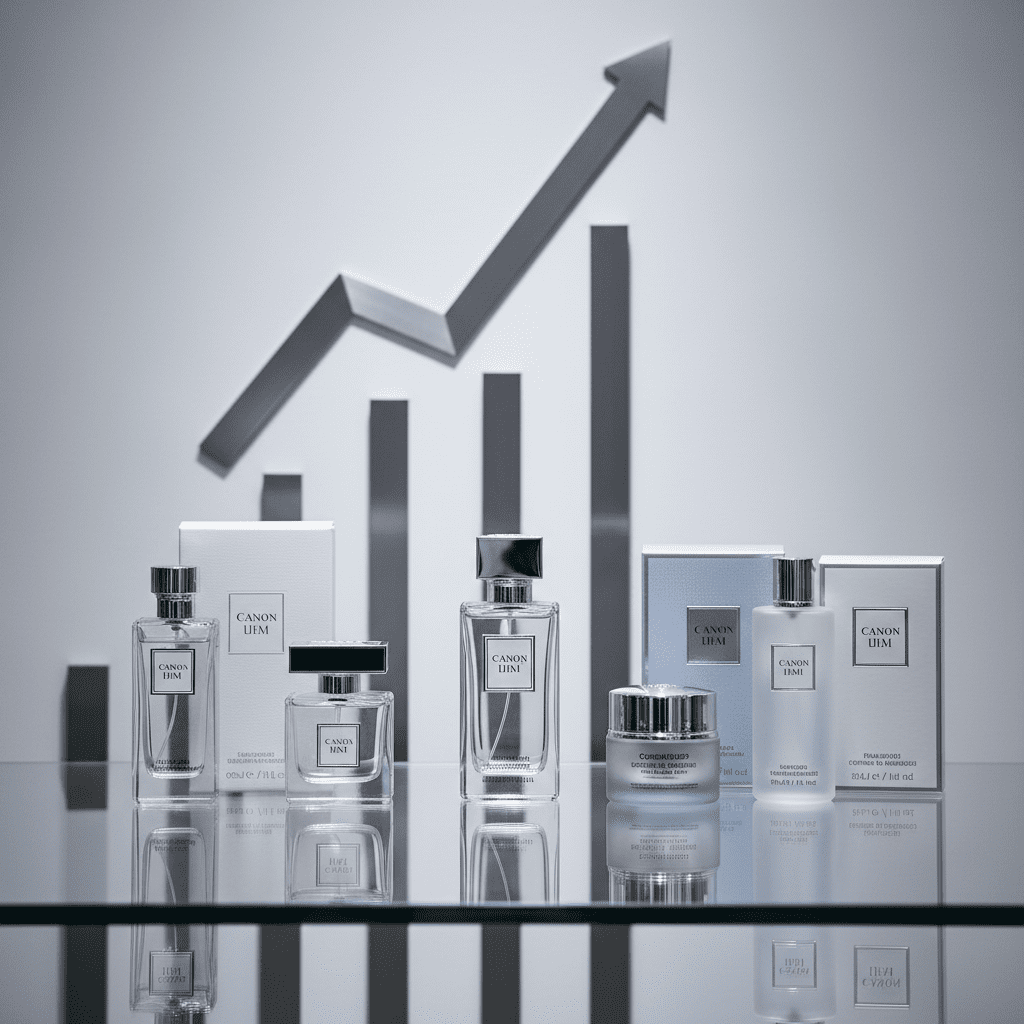
Puig reported like‑for‑like Q1 fiscal 2025 sales up 7.5% year‑over‑year to €1,206 million, a result the company says outperformed the wider premium beauty market. Management dated the release May 1, 2025, and the stock reacted positively on the same day, rising about 2.5%. CEO Marc Puig described the start of 2025 as “off to a strong start,” reiterated resilience across the portfolio and confirmed the company is maintaining its 2025 full‑year guidance of 6–8% growth despite macro headwinds.
To help prioritize what matters for models: the headline shows top‑line momentum that may warrant upward revision to revenue assumptions, but analysts should confirm underlying profitability metrics before changing margin or EPS forecasts.
What drove growth: category and brand breakdown
The performance was concentrated in the Fragrances & Fashion segment, which the company identifies as its largest and top performer. More detailed segmentation reported by market sources (to be verified against Puig’s official release) shows:
| Category | Share of Sales | Q1 Revenue | YoY Change |
|---|---|---|---|
| Perfume & Fashion | 74% | €896.4m | +10.4% |
| Skincare | 12% | €144.0m | +7.2% |
| Makeup | 14% | €165.3m | -6.0% |
Key brand and product callouts fueling the fragrance uplift included Rabanne Phantom, Carolina Herrera Good Girl, Jean Paul Gaultier Le Male, and momentum in niche via Byredo’s Blanche Absolu (launched in March). Skincare gains were supported by Uriage, with April product activity (Roséliane serum, Hyseac anti‑blemish line) cited as contributors. Makeup was a drag in Q1 — Charlotte Tilbury restocking delays and competitive “dupe” effects were noted; management expects makeup to recover to low‑single‑digit growth later in 2025.
This category detail suggests fragrance and fashion exposure is the primary lever for revenue upside; however, makeup weakness and timing effects mean analysts should be cautious about extrapolating the Q1 pace across all categories.
Regional performance and operational actions
All regions recorded reported growth, but with differing intensity:
- EMEA: ~53% of sales, grew about 3.8%, with France showing relative softness.
- Americas: ~37% share, roughly €451.0 million, reported growth near 11.8% (company highlighted the Americas as outperforming).
- Asia‑Pacific: ~9% share, ~€111.1 million, reported growth around 13.2%.
- China: specific results were not disclosed in the public summary.
Management also flagged operational measures relevant for profit and tariff exposure: Puig said it pre‑positioned inventory in the US to mitigate tariff impact and plans low‑single‑digit price increases as stock sells through. These actions temper immediate margin pressure from trade moves but leave levers (pricing, inventory sell‑through) that will influence H2 margin profiles.
Transitioning from the regional picture, the interplay of product mix (fragrance strength) and these operational moves will determine whether Q1 outperformance translates into sustainable full‑year beat or a temporary inventory/timing effect.
What this means for forecasts and what’s still missing
Implications for analysts and investors:
- The reported outperformance supports revisiting 2025 revenue and potentially segment revenue assumptions, especially for fragrance/fashion and Americas/APAC exposure.
- Guidance stability: Puig maintained its full‑year 2025 guidance at 6–8% growth; this suggests management confidence but also signals they expect some slowdown or balancing factors later in the year.
- Profitability unknowns: the public summary omits EBIT, margin or EPS detail; without those, it is premature to adjust EPS targets.
Two line breaks before and after the following list.
- Verify the headline and segment figures against Puig’s official Q1 press release and earnings presentation.
- Look for an analyst call transcript or presentation slides for channel (e‑commerce, travel retail), country (notably China), and margin detail.
- Monitor for quantified tariff cost, pricing cadence, and timing of inventory sell‑through to assess margin trajectory.
Two line breaks after the list.
Primary data gaps highlighted by market reports include lack of country‑level breakdown (China omitted), channel segmentation (e‑commerce vs travel retail), explicit EBIT/margin figures, and absent analyst consensus in the immediate release. These gaps are the main pain points for modelers and should be closed before making substantive valuation changes.
Conclusion
Puig’s reported Q1 performance — like‑for‑like sales +7.5% to €1,206 million — is a clear top‑line beat versus the broader premium beauty market, driven by Fragrances & Fashion and strong Americas and APAC growth. Management maintained 2025 guidance (6–8%) and pointed to operational actions (inventory pre‑positioning, low‑single‑digit price increases) that can mitigate tariff and margin pressure. For investors, the next necessary steps are verification of the figures against the company’s official release, confirmation of profitability metrics, and watching management commentary for whether the Q1 momentum is structural or a mix/timing effect before updating forecasts or valuation assumptions.