
Ever wondered which functional foods are truly worth the hype—and which ones just ride the marketing wave? If you’re tired of chasing claims that promise too much but deliver too little, you’re not alone. In this article, you’ll uncover the best selling functional food products backed by real consumer trust and data, so you can choose smarter and feel confident about every bite.
Global Market Trends Shaping the Best Selling Functional Food Products

The global market for best selling functional food products is expanding steadily, showing a functional food growth rate (CAGR) of approximately 6–9% in recent years.
This surge highlights how consumer awareness of health and nutrition now directly drives purchasing behavior.
Among the fastest‐rising segments are probiotics, plant-based proteins, and functional drinks—categories that redefine everyday consumption by aligning dietary convenience with measurable wellness outcomes.
These categories are not merely trends; they represent structural shifts in how the modern diet incorporates scientifically backed nutrients into practical, accessible formats.
Regions such as North America and Asia-Pacific continue to lead demand, while emerging markets are increasingly adopting premium and evidence-supported products as standard lifestyle essentials.
At the same time, evolving consumer preferences are shaping what qualifies as best selling functional food products today.
Consumers in their 30s–40s prioritize functional foods that demonstrate convenience through ready-to-drink forms, authenticity via clean labels, and trust reinforced by transparent sourcing.
These customer expectations have triggered an innovation wave: microbiome-targeted formulations, personalized blends for age or lifestyle needs, and clinically validated claims replacing vague marketing slogans.
The intersection of data-driven formulation and minimalist branding positions future leaders in the functional food market to move from simple nutraceutical offerings toward integrated health solutions that fit daily life with precision.
-
Microbiome-targeted foods enhancing gut health remain a dominant research-to-market category.
-
Plant-based proteins continue gaining share due to sustainability and digestibility advantages.
-
Ready-to-drink formats reflect rising demand for portability and instant consumption benefits.
-
Clean label formulations cater to transparency-seeking buyers avoiding additives or fillers.
-
Clinically supported efficacy claims strengthen consumer trust and justify premium pricing.
-
Ingredient traceability becomes a purchasing baseline, ensuring ethical sourcing and safety validation.
Top 10 Best Selling Functional Food Products by Category
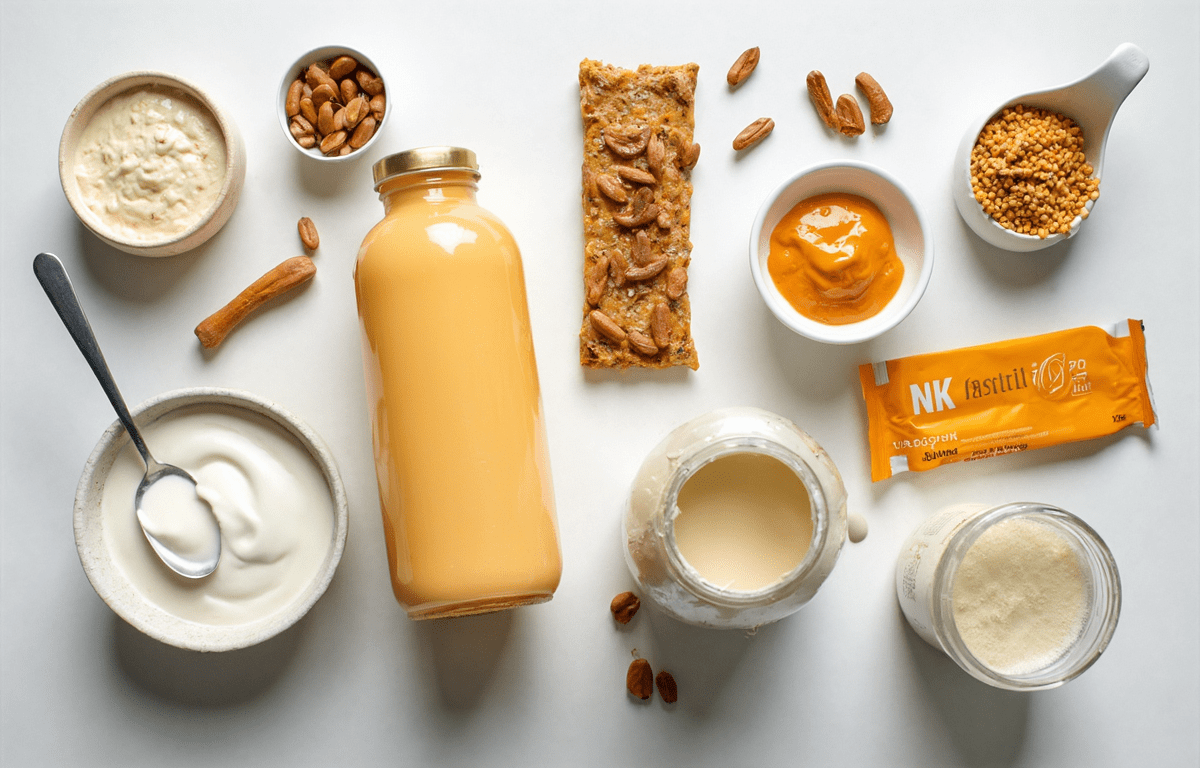
The best selling functional food products dominating the global market reveal what modern consumers truly value — clinically supported outcomes, convenience, and ingredient transparency.
Across continents, these top functional foods consistently outperform due to their ability to combine daily usability with proven benefits.
Below is a concise functional food list highlighting the ten most popular categories shaping global nutrition and consumer preferences today.
| Product Category | Primary Benefit | Key Ingredient(s) | Price Range (USD) | Typical Purchase Channel |
|---|---|---|---|---|
| Probiotic Yogurt | Gut health and digestion support | Lactobacillus, Bifidobacterium (10⁸–10¹⁰ CFU/serving) | $1–$2.5 per cup | Supermarkets, online retailers |
| Collagen Peptides Powder | Skin elasticity and joint health | Hydrolyzed collagen (Type I & III), Vitamin C | $20–$50 per jar | Health stores, e-commerce |
| Whey Protein Powder | Muscle repair and daily protein intake | Whey concentrate or isolate (20–27 g protein/serving) | $25–$60 per container | Sports nutrition shops, online |
| Meal Replacement Shakes | Weight control and nutritional balance | Protein blend (15–30 g), vitamins, minerals | $2–$5 per bottle or pack | Convenience stores, supermarkets, online |
| Kombucha | Microbiome support and low-calorie refreshment | Tea-based fermented probiotics, organic acids | $3–$5 per bottle | Health food stores, cafés, retail chains |
| Omega-3 Fortified Eggs / Fish Oils | Heart and cognitive health maintenance | DHA + EPA (100–1,000 mg range) | $3.5–$6.5/dozen; $10–$30/bottle (supplement) | Supermarkets, pharmacies, online shops |
Comparative Analysis: Nutritional Value and Cost Efficiency of Top Functional Foods

When evaluating best selling functional food products, the key challenge is balancing clinical potency with economic sustainability.
Functional food comparison data shows that affordability alone does not determine effectiveness — the relationship between nutrient density and cost per serving defines true market winners.
For instance, probiotic yogurt typically costs $1–$2.5 per cup, collagen peptide powder ranges from $0.2–$1 per serving, and whey protein averages $0.7–$1.5 per scoop.
In this model, functional food nutrition metrics reveal that protein powders and collagen offer optimal value for money foods, providing potent ingredients at a favorable cost-to-benefit ratio.
On the other hand, ready-to-drink (RTD) shakes priced at $2–$5 and kombucha beverages at $3–$5 stand out for convenience but lag behind in nutrient concentration per dollar spent.
The fish oil capsule category, with costs as low as $0.15–$0.5 per serving, further proves that everyday functionality doesn’t always require premium pricing to achieve efficacy in cardiovascular or cognitive support.
Still, cost efficiency should never be interpreted in isolation — actual value arises when doses meet or exceed clinical thresholds proven effective in research.
Proper nutrient delivery plays a decisive role in real-world results: collagen’s 10–20 g/day range ensures visible skin elasticity improvement; omega-3’s recommended 500–1,000 mg/day maintains cardiovascular integrity; probiotics in the 10⁹–10¹⁰ CFU/day range promote consistent gut balance.
The three factors of effectiveness — potency alignment, ingredient transparency, and absorption efficiency — define which functional foods truly pay off for long-term users.
Thus, value assessment in functional food comparison must focus on clinically validated quantities rather than packaging claims or influencer trends.
| Product | Effective Daily Dose | Cost/Serving (USD) | Value Indicator |
|---|---|---|---|
| Probiotic Yogurt | 10⁹–10¹⁰ CFU | $1–$2.5 | Medium |
| Collagen Peptides Powder | 10–20 g | $0.2–$1 | High |
| Whey Protein Powder | 20–27 g protein | $0.7–$1.5 | High |
| RTD Meal Shake | 15–30 g protein + micronutrients | $2–$5 | Medium |
| Kombucha Drink | Light probiotic load (variable) | $3–$5 | Low |
| Fish Oil Capsule | 500–1,000 mg EPA+DHA | $0.15–$0.5 | High |
Consumer Insights: How Shoppers Choose the Best Selling Functional Food Products

When exploring the landscape of best selling functional food products, one of the most common concerns among consumers is how to separate clinically credible items from marketing exaggerations.
Functional food consumer insights reveal that modern shoppers prefer transparent brands that disclose exact ingredient quantities, clinical relevance, and quality verification data.
However, confusion often arises due to vague terms like “immune booster” or “healing support.”
Understanding how to choose functional foods effectively requires a structured approach based on evidence and measurable facts rather than hype or packaging appeal.
Experts emphasize that functional food consumer insights should center around product accountability.
The most reliable way to validate efficacy involves assessing both content and certification.
When buying functional foods, shoppers should read labels carefully, comparing ingredient potency with clinically proven benchmarks.
For example, probiotics showing 10⁹–10¹⁰ CFU levels per serving or omega-3 capsules containing 500–1,000 mg of EPA+DHA match research-backed efficiency ranges.
Likewise, collagen products must contain at least 10–20 g/day of hydrolyzed peptides for visible results in skin and joint health.
3-Step Reliability Check for Choosing Functional Foods:
- Verify the active ingredient name and its quantitative amount (CFU, mg, g) clearly displayed on the label.
- Compare those values with established clinical dose ranges to ensure it meets recognized efficacy thresholds.
- Confirm third-party certification such as USP, NSF, or ISO standards proving purity and transparency compliance.
Applying these steps when reading labels empowers consumers to filter out inflated marketing claims and recognize true nutritional value.
By combining objective label reading tips with practical cost analysis—such as comparing daily dosage sufficiency against price per serving—buyers avoid overspending on underperforming goods while selecting only those functional foods that genuinely deliver proven benefits.
Targeted Recommendations for Health-Conscious Buyers of Functional Foods

Finding the best functional foods for health today goes beyond choosing random supplements—it’s about identifying combinations that match personal lifestyle and biological needs.
The most successful consumers now use personalized nutrition to target energy levels, digestion, or beauty goals with precision.
This customized approach to functional foods by lifestyle ensures not only consistency in taking the products but also tangible improvements in well-being and performance across daily routines.
By matching consumption patterns to clinically supported product types, buyers maximize benefits while keeping investments efficient and evidence-based.
Personalized functional food recommendations by buyer type:
- 30s–40s General Wellness: Combine whey protein powder, probiotic yogurt, and collagen powder for a holistic trio that supports muscle tone, gut health, and skin vitality.
This balanced approach promotes sustained energy while addressing early signs of aging — ideal for busy professionals or parents managing active routines.
- Budget–Performance Balance Seekers: Select whey protein and omega-3 fortified foods such as enriched eggs or fish oils.
These provide high metabolic support per dollar spent, delivering cardiovascular and muscle recovery benefits with optimal cost-to-effectiveness ratios — the most practical buying tips for long-term maintenance.
- Convenience-Focused Consumers: Use ready-to-drink shakes, functional snack bars, or kombucha beverages for portability without sacrificing nutrient intake.
Such options suit those who prioritize efficiency, travel frequently, or prefer simplified meal supplementation aligned with functional foods by lifestyle demands.
Before selecting any of these best selling functional food products, always verify ingredient dosage aligns with clinical standards and review labels for additives or allergens.
Consultation with a healthcare professional enhances safety within personalized nutrition plans—especially when combining multiple products or managing existing medical conditions.
Expert Evaluation Criteria Behind the Best Selling Functional Food Products
Experts conducting a functional food expert review focus on objective data rather than marketing presentation.
The best selling functional food products are not judged by branding aesthetics but by how consistently they meet research-backed standards of nutrient delivery and bioavailability.
In a thorough product quality assessment, examiners scrutinize ingredient authenticity, ensuring each listed component matches verified sources and standard specifications.
Clinically proven functional foods typically align ingredient dosages with human trial data — for example, probiotics delivering at least 10⁹–10¹⁰ CFU per serving or collagen providing 10–20 g/day for visible dermal elasticity improvements.
Products that supply third-party certification or share Certificates of Analysis (COA) display higher credibility and thus, tend to dominate retail performance rankings in expert evaluations due to transparency in testing and manufacturing accuracy.
Leaders within the functional food expert review community further analyze whether manufacturing partners sustain consistent compliance across batches and maintain declared potency levels over shelf life.
Product quality assessment extends beyond nutrition panels; professionals monitor clinical dose consistency, absorption markers, and traceability logs proving supply chain integrity.
Data transparency serves as the strongest predictor of consumer satisfaction — when a brand publishes verifiable human study outcomes or validated assays on public platforms, trust and repurchase rates rise substantially.
The scientific rigor behind such clinically proven functional foods defines them as benchmarks that transform both global nutrition trends and purchasing behavior networks.
Core Evaluation Criteria Applied by Functional Food Experts:
- Verification of ingredient origin against pharmacopeia or standard reference materials (authenticity validation)
- Measurement of active component concentration versus established clinical doses (dose compliance)
- Independent analytical testing results summarized through COA or ISO-certified lab documentation (third-party proof)
- Evidence of sustained bioavailability confirmed via human trials or published peer-reviewed absorption studies (efficacy confirmation)
Emerging Innovations Driving the Next Generation of Functional Food Best Sellers
The rise of innovative functional foods is no longer just an extension of health-conscious habits — it represents a full-scale shift in how nutrition technology integrates with data, sustainability, and personalization.
The future of functional foods is being shaped by developments that combine clinically validated science with lifestyle adaptability.
These innovations go beyond traditional supplements or fortified foods; they incorporate AI-based nutrient design, microbiome products that cater to gut diversity, and adaptogenic beverages balancing modern stress levels.
As brands invest in clean-label manufacturing and traceable sourcing, the global marketplace for best selling functional food products is transforming from trend-driven convenience items into measurable wellness solutions.
Key Innovation Areas in Functional Foods
- Microbiome-targeted Products: Next-generation formulations leverage microbiome mapping to personalize ingredients supporting optimal gut flora balance.
This scientific approach enhances digestive performance and immune resilience while appealing to data-driven consumers.
- Adaptogenic Beverages: Drinks infused with botanicals like ashwagandha or reishi are on the rise.
They embody stress-adaptive functions and emotional well-being support, positioning adaptogens as the emotional health equivalent of the protein boom.
-
Personalized Nutrient Formulations: DNA-based and microbiome-informed custom blends now empower users to receive precision nutrition aligned with metabolic profiles—redefining what individualized wellness means within the future of functional foods landscape.
-
Sustainability & Clean Labels: Environmentally conscious sourcing and transparent ingredient tracking build long-term brand trust while appealing to eco-focused demographic segments increasingly driving purchase decisions.
These forward-thinking shifts define where consumer loyalty will gravitate next.
The upcoming wave of innovative functional foods strongly reflects transparency, personalization, and efficacy as the foundation of trust — essential qualities expected from future launches within this rapidly evolving category.
Final Thoughts on the Best Selling Functional Food Products
After exploring the most trusted and best selling functional food products, I realized that popularity often aligns with authenticity—real results supported by real science. The top performers shared common traits: transparent labeling, clinically backed ingredients, and consistent consumer satisfaction. From collagen supplements supporting skin health to probiotic-rich yogurts enhancing digestion, each proved its position not through aggressive advertising but through genuine impact.
When I first started searching for reliable functional foods, I was overwhelmed by conflicting claims and unclear ingredient lists. But focusing on products with credible data and verified expert insight changed how I evaluated value and trust. As trends evolve, one thing remains constant—the demand for efficacy and transparency.
If you’ve struggled with identifying credible options or doubted whether these products are truly worth the cost, remember: prioritize authenticity over buzzwords, check ingredient origins, and seek transparency in formulation. Doing so will help you overcome confusion and invest in products that genuinely contribute to your health and lifestyle goals.