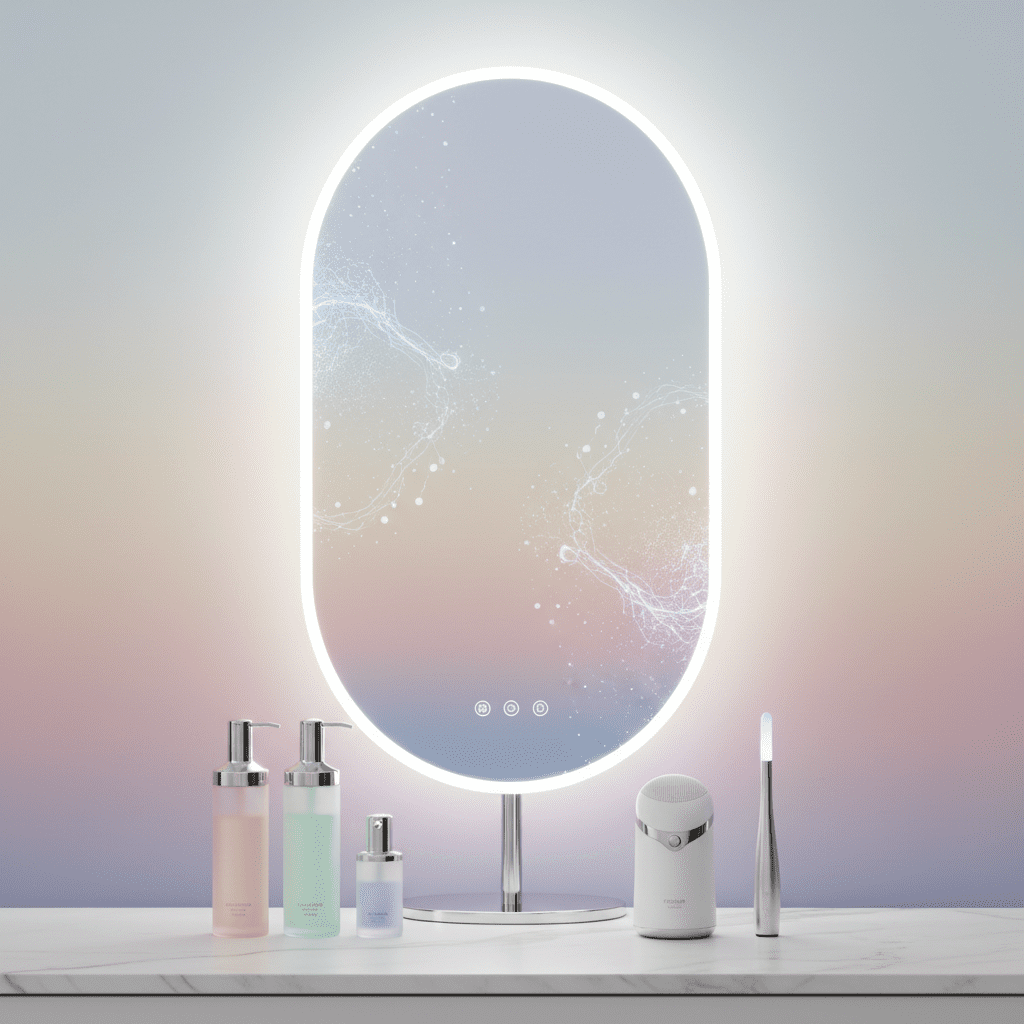
Modern beauty intimacy trends 2025 — if you’re planning launches or influencer campaigns, this concise forecast shows where product, marketing and low-cost pilots will actually move the needle.
2025 snapshot: the few things that matter most
Start with the essentials so you can cut through vague reports: 2025 centers on comfort-first intimacy, built-in sustainability, inclusive fits, and selective tech that demonstrably improves wellness or fit. Treat “beauty intimacy” as identity and emotional-wellness products—multisensory offerings (texture, scent, touch rituals) and small-format daily items that build confidence and repeat purchase.
- Top trend highlights: sustainability as baseline; gender-inclusive cuts and extended sizing; wireless, seamless and breathable comfort-first garments; smart textile use for thermoregulation, posture or sleep monitoring; multifunctional hybrids (active + intimates); minimalist neutral systems plus occasional bold drops for storytelling.
This focus responds directly to common CMO pain points: actionable product levers (materials, fit, rituals), measurable pilot tactics, and low-budget marketing approaches that rely on credible evidence and culturally aware storytelling.
Product design & materials: practical priorities that sell
Move past conceptual language—choose materials and construction that let you claim credible benefits without heavy R&D spend. Prioritize:
| Material / Tech | Benefit |
|---|---|
| Organic cotton, bamboo, Tencel/lyocell, modal blends, recycled fibers | Comfort, breathability, and clear sustainability claims |
| 3D knitting, laser-cut/seamless construction, recyclable elastics and dyes | Reduced waste, better fit, lower sampling cost for micro-batches |
| Thermoregulating, antimicrobial, moisture-wicking textiles | Wellness claims with direct consumer utility (sleep, comfort) |
Design features to make premium feel and repeat purchase: wireless and seamless silhouettes, soft-to-skin textures, adjustable closures (multi-way straps, flexible closures), and modular patterns for repair or longevity. These choices also reduce returns if paired with AI sizing or virtual fittings.
From sensorial concepts to launchable SKUs
Translate “sensory” into specific SKUs: tactile-first bralettes and T-shirt bras in neutral palettes for mass adoption; limited-edition bold pieces for storytelling; ritual kits (solo/couples) with scent-layering and tactile packaging; small-format daily boosters (mood patches, wearable scent tiles). For intimate-care, prioritize pH-balanced, microbiome-friendly formulations backed by basic clinical safety testing to avoid reputational risk.
Transitioning from concept to shopfront is easiest when you run micro-batches with 3D-knit studios or textile partners—this reduces tooling costs and fast-tracks proof-of-concept.
Marketing & creative: tactile-first, consent-forward, and culturally respectful
Creative should show, not tell: close-up tactile photography, first-person ritual videos, ASMR-style audio and short-form social demonstrations perform best for sensorial claims. Messaging must be consent-forward and education-first: provide ingredient transparency, clear care instructions, and verifiable third-party certifications or expert endorsements to build credibility without big budgets.
For representation and cultural sensitivity:
- Recruit small panels from target communities to review tone and imagery before launch.
- Lean on diverse micro-influencers in wellness and relationship niches to create authentic UGC.
- Use narrative campaigns that normalize diverse relationship models and avoid exoticizing cultural motifs.
These tactics reduce the risk of costly creative missteps and increase the chance of organic advocacy.
Low-budget pilot plan + measurement framework
Here’s a pragmatic Q1–Q2 pilot sequence you can run on a modest budget, plus what to measure.
- Pilot steps: run micro-batch pilots with textile or 3D-knit partners; A/B test sensory and comfort claims with 3–5 micro-influencers; recruit a 50–100 person user panel for cultural-sensitivity feedback and product trials; pilot a subscription bundle for ritual kits; iterate based on direct user feedback.
Measure impact with these KPIs: conversion rate and average order value for intimacy SKUs, repeat purchase and subscription retention, engagement and sentiment on UGC, qualitative comfort/consent scores from interviews, and cohort LTV for community-driven buyers. These metrics let you prioritize pilots that scale.
Safety, regulatory and lifecycle checklist
Make safety and trust non-negotiable—this both protects brand equity and supports higher conversion from cautious shoppers.
- Essentials checklist: clinical safety testing for intimate-care claims; full ingredient transparency and compliant labeling; data privacy safeguards for any personalization tools; culturally sensitive creative review processes; clear care & lifecycle guidance (bras replacement ~12–18 months, underwear ~6–12 months, shapewear ~1–2 years); recyclable or durable packaging with verifiable supply-chain claims.
Following this checklist reduces legal exposure and gives marketing concrete claims to promote (e.g., tested antimicrobial fabric, third-party certifications).
Practical creative & product ideas you can activate quickly
To compress the theory into launchable concepts:
- MVP ritual kit: a sensorial pouch (small-format cream, scent layering sample, tactile packaging) with educational cards and care instructions.
- Hybrid core SKU: a wireless bralette in Tencel blend with modular strap system and AI-fit tool for online buyers to reduce returns.
- Limited storyteller drop: artisan-crafted bold piece in recycled fibers promoted through a micro-influencer-led trial and UGC campaign.
Each concept leverages the main trends (comfort, sustainability, inclusivity, tech) while staying within lean development budgets.
Conclusion
Modern beauty intimacy trends 2025 converge around comfort-first design, sustainability as baseline, inclusivity in fit and narrative, and tech that proves consumer value. For CMOs like Lina, prioritize micro-batch pilots, tactile-first creative, and third-party evidence to build credible claims on a budget. Do the small tests that give measurable signals—repeat purchase, retention and authentic UGC—so your next full launch is both culturally sensitive and commercially resilient.