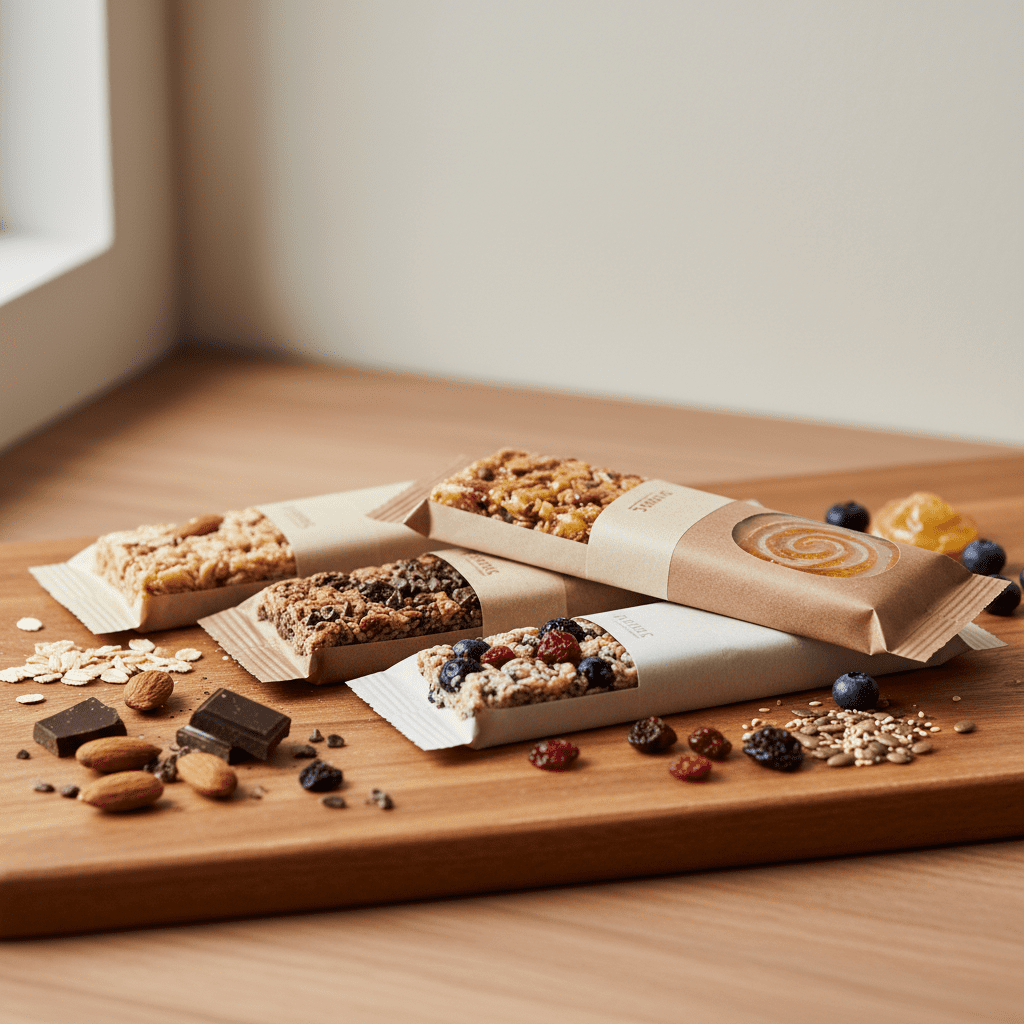
Kind new energy bar line launch — I know you need verified launch timing, full nutrition panels and retail rollout clarity fast. This briefing prioritizes the verified items and trade-ready benchmarks you can act on.
Launch status and immediate verification needs
Before drafting copy or modeling distribution, confirm these core facts with Kind PR. Missing or inconsistent answers here are the biggest pain points for trade coverage and go-to-market planning.
- Official launch date(s) by market and channel (e.g., national supermarket rollout vs regional test stores)
- SKU list with flavors, pack sizes, UPCs and case pack counts
- Per‑SKU ingredient lists, full nutrition panels, allergen and certification claims (organic, non‑GMO, gluten‑free, vegan)
- Confirmed MSRP, trade pricing, promotional allowances and launch promotional windows
- Named distribution partners (national grocery, convenience, e‑commerce, DTC/subscription) and first shipment quantities by partner
These items map directly to your pain points: they remove rumor risk, allow shelf and promo planning, and enable verified editorial coverage.
Transition: with verification priorities clear, product-level specs and nutrition are the next focus.
Product specs, nutrition targets and positioning
Kind should lead with transparent, consumer-facing claims that match category demand: protein-forward, clean-label, and clear functional benefits (sustained energy, recovery, meal-replacement). Market context supports that positioning: the protein bars segment remains the largest in the category, and IFIC data shows about 20 percent of US consumers follow high‑protein diets.
Below is a pragmatic per‑serving target table you can use as an internal benchmark for R&D and retailer conversations—these are industry-anchored recommendations, not product claims.
| Target per serving | Recommended range |
|---|---|
| Protein | 10 to 20 g |
| Calories | 180 to 300 kcal |
| Total sugars | ≤ 8 to 12 g |
| Dietary fiber | 3 to 8 g |
| Sodium | ≤ 200 mg |
| Caffeine (energy variants) | 50 to 120 mg (label clearly) |
| Claims/Certifications | Non‑GMO, gluten‑free, plant‑based/vegan option(s) |
Benefits: these targets align with consumer demand for satiety and functional benefit while keeping calories reasonable for snack positioning. For energy variants, clearly label caffeine and provide a non‑caffeinated alternative to widen distribution.
Transition: product specs inform manufacturing needs and timing—next, how to align production ramp and distribution.
Manufacturing, lead times and allocation benchmarks
Use historical category benchmarks to set realistic lead times and contingency levels. Past launches show scalable but non‑instant production ramps: for example, a 2022 energy drink launch produced 1,000,000 units in roughly three months for initial distribution — treat that as a mid‑scale benchmark. Other historical data points (PET bottling speeds and syrup line capacities) indicate that packaging and ingredient sourcing can be primary constraints.
Operational checklist to discuss with supply chain and co‑packers:
- Confirm primary production site(s) or co‑pack partners, current throughput (units/day), and minimum run sizes
- Lead time for primary ingredients (nuts, plant protein, specialty functional ingredients) and packaging materials (including eco PET or recyclable laminates)
- Contingency stock targets: plan safety stock to cover 6 to 12 weeks of projected sell‑in for launch window
Use these inputs to model allocation and identify likely distribution gaps. If Kind plans cross‑regional expansion, stagger launch windows by geography to avoid stockouts—histor market ramps (e.g., a 2012 juice cocktail reaching 15 million packs in nine months) show demand can far exceed conservative forecasts if messaging and channel support align.
Transition: once manufacturing cadence is set, lock in retail strategy and shelf placement.
Retail strategy, shelf placement and pricing guidance
Distribution should prioritize supermarkets and hypermarkets for mass visibility, supported by convenience stores and online channels. Summary findings show supermarkets/hypermarkets lead distribution and online sales grew more than 20 percent year‑on‑year in 2024 across North America and Asia‑Pacific—supporting a dual brick-and-mortar plus DTC/subscription approach.
Shelf placement recommendations:
- Primary placement: snack/protein bar bay with signage calling out “energy” or “sustained energy” benefits. If the formula is strongly functional (caffeine, added adaptogens), request adjacency to other energy/functional beverages or nutrition bars to capture functional shoppers.
- Pack sizing and case packs: offer single-serve shelf racks and multi‑pack cases for cart filler opportunities. Typical retailer requests favor 6 to 12 count inner packs and 24 to 48 units per master case depending on channel.
- Pricing: do not publish MSRP without confirmation from brand. Instead, prepare retail tiers (premium, mainstream) and compare against incumbents (General Mills brands, Quest, PowerBar) to position price-value. Use competitor benchmarking to justify promotional entry pricing when negotiating slotting or introductory features.
Transition: while retail details are agreed, prepare press and media assets for launch support.
Press assets and media kit checklist
Prepare a complete press kit to satisfy editorial and trade needs; missing assets delay coverage and force embargoes to be extended.
- High-resolution product photos: pack front, nutrition panel close-up, lifestyle images (300 dpi, multiple orientations)
- Per‑SKU PDF nutrition panels and full ingredient lists (print‑ready)
- Approved executive quotes and short R&D note on formulation / functional claims (date‑stamped)
- UPCs, pack graphics, case pack info and suggested shelf POS copy
- Licensing/usage instructions for imagery and embargo details (if applicable)
Provide these assets with named contacts and embargo instructions to avoid media confusion. For trade journos, include distributor contacts and initial shipment data where possible—summary_points flagged that editorial verification items should list named distribution partners, production numbers and dated press assets.
Transition: finally, put the launch in competitive and market context to aid messaging and media framing.
Competitive context and market opportunity
Market size and growth frame the commercial window: the global energy‑bar market was about USD 3.9 billion in 2024 with projections to USD 6.5 billion by 2033 (CAGR roughly 5.7 percent). Protein bars lead category share, and incumbents include General Mills, Glanbia, Kellanova, Mars, Mondelez and specialist players (Quest, NuGo, PowerBar). Use this to argue retailer space allocation: a protein-forward Kind bar with clean‑label positioning addresses a sizable health-conscious cohort and can justify premium shelf placement.
Benchmarks: use historical growth and production examples when arguing for supply commitments — energy and hybrid launches have shown double‑digit ramp potential in favorable channels. Cite online growth (20 percent plus) to justify investment in DTC/subscription and retailer e‑fulfillment plans.
Conclusion
To convert interest into a smooth launch, secure the verified items listed in the first section immediately: launch dates by channel, SKU and UPC data, full nutrition panels and named distribution partners. Use the product targets and manufacturing benchmarks here to build a realistic timeline and contingency plan. Framing the Kind new energy bar line launch around protein-led, clean‑label and clearly labeled functional benefits — supported by ready press assets and confirmed distribution commitments — will reduce rumor risk, speed retailer buy‑in and enable accurate trade and consumer coverage.