Nestle Conagra remove synthetic food dyes US 2026 — I know this news can feel confusing if you’re trying to keep snacks and school lunches safe; here’s a clear, product-focused update you can act on.
What Nestlé and Conagra announced: timelines and scope
Nestlé USA announced it will remove FDA‑certified synthetic (FD&C) food colors from its U.S. food and beverage portfolio by mid‑2026, saying it has already phased most dyes out over the past decade and that more than 90 percent of its portfolio is dye‑free today. Nestlé named a few remaining items still using dyes, such as Nesquik banana strawberry ready‑to‑drink milk (Red No. 3) and Nesquik strawberry syrup (Red No. 40).
Conagra Brands laid out a staged plan: remove FD&C colors from its U.S. frozen foods by the end of 2025, stop offering products that contain FD&C colors to K–12 schools starting with the 2026–27 school year, and complete removal across its full U.S. retail portfolio by the end of 2027. Conagra cited specific SKUs still using synthetic colors, including several Duncan Hines frostings and cake mixes (Red No. 40 lake; Yellow No. 5) and a muffin kit (Yellow No. 5 lake).
Other major manufacturers are following similar timelines: Kraft Heinz and General Mills announced comparable plans earlier, and J.M. Smucker targets end of 2027 for full removal. Kraft Heinz reports roughly 90 percent of its U.S. sales are already dye‑free; General Mills estimates about 85 percent of its U.S. products are dye‑free. The U.S. Food and Drug Administration has signaled it plans to phase out petroleum‑based synthetic dyes from the food supply over the coming years, accelerating industry moves.
| Company | Public timeline | Noted existing dye-containing examples |
|---|---|---|
| Nestlé USA | Remove by mid‑2026; >90% already dye-free | Nesquik banana strawberry RTD milk (Red No.3); Nesquik strawberry syrup (Red No.40) |
| Conagra Brands | Frozen foods by end‑2025; no dye products to K–12 for 2026–27; full retail by end‑2027 | Duncan Hines frostings and cake mixes (Red No.40 lake, Yellow No.5) |
| Kraft Heinz | Commitment to remove by end‑2027; ~90% dye-free by net sales | Most portfolio already dye-free |
| General Mills | Commitment to remove by end‑2027; ~85% dye-free | Most cereals/snacks largely reformulated |
Which products and brands are most likely to change (what to watch for)
Reformulation efforts focus where color is a selling point or common: children’s cereals, candy, frosting and cake mixes, drink mixes and flavored milk, colored frostings and sprinkles, some frozen desserts and convenience kids’ foods, and products sold into school food programs. Because companies listed specific SKUs, expect visible updates first in items like Nesquik drink mixes/syrups, Duncan Hines cake and frosting lines, and branded frozen snacks and bakery kits.
- High‑priority categories to check: cereals and breakfast mixes; snack bars and packaged candies; frostings, syrups and drink mixes; frozen kids’ meals and desserts; school-lot products sold to K–12 programs.
Why companies are acting: health and regulatory drivers
There’s growing regulatory and public pressure on petroleum‑based FD&C dyes. The FDA currently certifies seven FD&C dyes (examples include Yellow No. 5/tartrazine and Red No. 40). The federal health leadership has signaled a push to phase out these dyes; one dye (Red No. 3) was previously banned for food and ingested drugs. Independent reviews add to the concern: a 2022 NIH‑sponsored review examined 25 studies and found just over half suggested a link between food dye exposure and behavioral issues in children. Political and regulatory statements from HHS leadership have also increased urgency, prompting companies to set concrete timelines.
This combination of potential health risk signals and forthcoming FDA coordination is why manufacturers are accelerating reformulations and setting school‑specific cutoffs ahead of full retail rollouts.
Natural substitutes, trade‑offs and what to expect
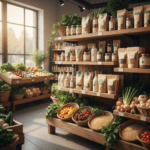
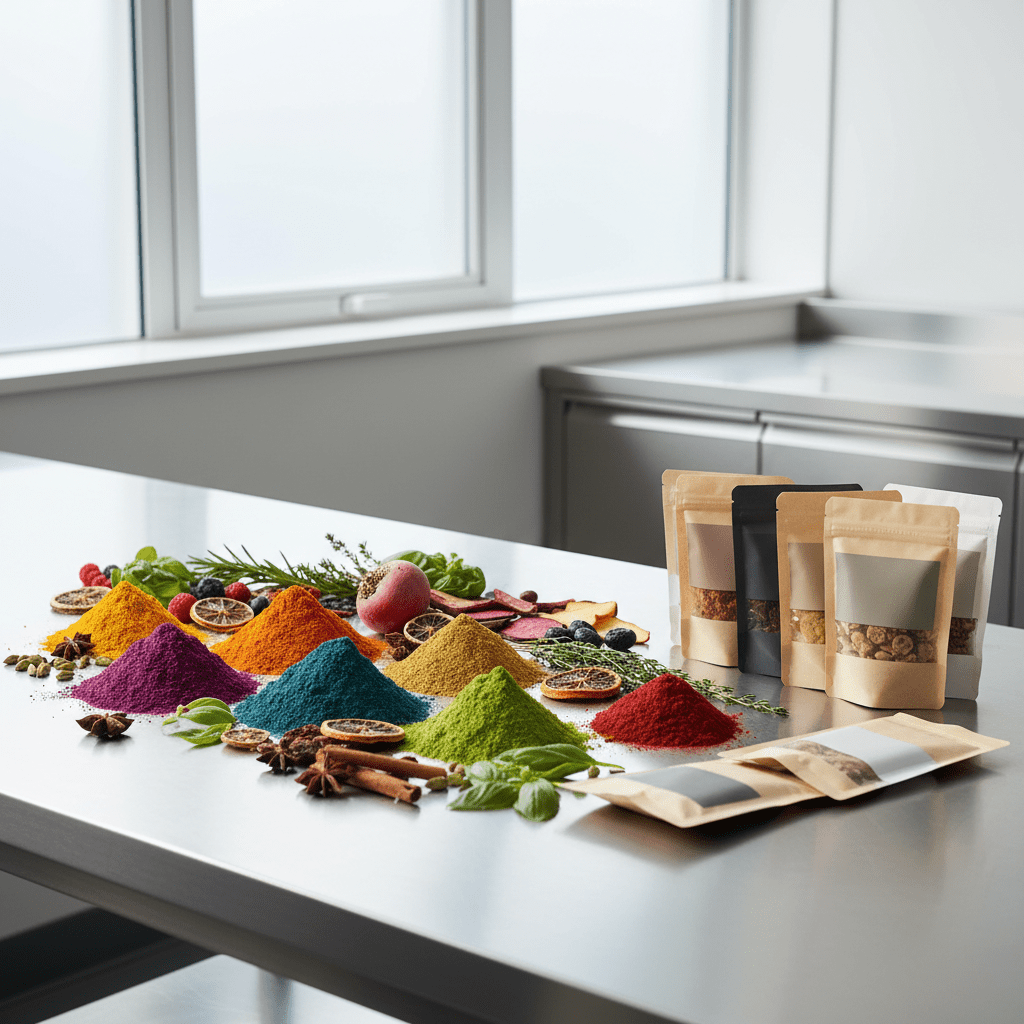
Most companies plan to replace synthetic dyes with plant‑based colorants when feasible: beet and red fruit concentrates, turmeric/curcumin (yellow), annatto, paprika, grape‑skin extracts, and spirulina for blue/green hues. Expect trade‑offs:
- Appearance and shade may change (natural reds and blues are harder to match).
- Taste and aroma can be affected; some natural extracts carry faint flavor notes.
- Shelf life and heat stability may be reduced for certain natural colors, affecting processing and storage.
- Cost will likely rise for some SKUs due to supply and processing differences; that can feed into eventual price changes for consumers.
- Some additives not covered by these dye commitments — for example titanium dioxide — are regulated separately and may still appear in products unless explicitly removed.
Companies have said they will either use natural colors, reinvent product presentation where natural color options aren’t viable, or remove nonessential color altogether.
Practical steps for shopping and school lunches (a quick checklist for busy parents)
- Read ingredient lists for “FD&C” names or numbers (e.g., Red No. 3/erythrosine, Red No. 40, Yellow No. 5/tartrazine) or the words “artificial color”/“artificial colors.”
- Look for “natural colors” or specific plant/fruit names (beet, turmeric/curcumin, annatto, spirulina) and check brand statements — but verify SKU labels since rollouts are phased.
- Expect earlier changes in school‑directed supply: products sold into K–12 programs from Conagra and General Mills are scheduled to stop using FD&C colors by the 2026–27 school year, so school snack lists may shift before every retail package updates.
Conclusion
Short answer for Emily: yes — Nestlé aims to remove synthetic FD&C dyes from its U.S. portfolio by mid‑2026, and Conagra is removing dyes from frozen foods by end‑2025, stopping dye products in schools by 2026–27, and finishing full retail reformulation by end‑2027. These moves come amid broader industry commitments (Kraft Heinz, General Mills, J.M. Smucker) and an FDA shift away from petroleum‑based dyes. For now, the safest approach is to check ingredient labels for FD&C names or “artificial color,” watch for “natural colors” on updated packaging, and expect phased rollouts—which means verifying the specific SKU before assuming a product has changed. This transition will bring some taste, appearance and price trade‑offs, but over the next year you should see many child‑facing snacks and school items reformulated or relabeled.