JM Smucker eliminate synthetic dyes by 2027 — If you check labels and worry about hidden additives, here’s a concise, parent-friendly guide to the pledge, what products are affected, how to confirm changes, and what to expect at checkout.
What J.M. Smucker announced and the timeline
On June 27, 2025, J.M. Smucker publicly committed to removing FD&C artificial colors from its consumer food products by the end of 2027. The company set an earlier target for foods sold into K–12 schools: it plans to stop selling products that contain synthetic dyes to schools by the start of the 2026-2027 school year. Smucker says most of its portfolio is already free of FD&C colors; remaining items of concern include certain sugar-free fruit spreads, some ice cream toppings, and parts of the Hostess lineup acquired in 2023.
This pledge sits inside broader regulatory and industry momentum. The FDA signaled in April an intent to phase out petroleum-based synthetic dyes from the food supply by the end of 2026, and recent government moves (including a January ban on one dye, Red 3) increase pressure on manufacturers. Other major companies — Nestlé, Conagra, Kraft Heinz and General Mills — have announced similar plans, making Smucker’s timeline both a competitive and regulatory response.
Which products are affected — quick reference
Below is a concise snapshot of categories and product examples that the announcement highlights or the reporting identified as still containing synthetic dyes.
| Product category | Examples | Current dye status (as reported) | Notes |
|---|---|---|---|
| Sugar-free fruit spreads | Selected low-sugar jams | Some still contain FD&C dyes | Targeted for reformulation under the 2027 deadline |
| Ice cream toppings | Chocolate/fruit sauces | Certain varieties contain synthetic colors | Reformulation planned; phased rollouts expected |
| Hostess-branded baked goods | Twinkies, SnoBalls | Reported to contain Red 40, Yellow 5; SnoBalls use Red 40 Lake | Hostess products acquired in 2023; specific items singled out |
| Ready-to-eat sandwiches | Uncrustables | Mostly already free of FD&C colors | Example of prior reformulation work by Smucker |
Why this change matters: health, environment, and regulation
Health-conscious shoppers often ask why synthetic dyes are being phased out. Key points to understand:
- Health and policy drivers: Recent regulatory activity (including the ban on Red 3 reported earlier in the year) and statements from federal health leadership have raised expectations that synthetic food dyes will be restricted. The FDA’s public intent to phase out petroleum-based dyes by the end of 2026 added urgency for manufacturers.
- Consumer and brand risk: Parents and shoppers have been demanding cleaner labels and fewer artificial additives. Industry peers making similar pledges raises consumer expectations across categories.
- Environmental and ingredient sourcing: Most FD&C dyes are petroleum-derived; switching to plant-based or mineral colorants can reduce reliance on petroleum inputs, though each alternative carries its own sustainability and sourcing considerations.
For shoppers, the benefit is clearer ingredient lists and reduced exposure to synthetic colorants that some studies and consumer groups associate with behavioral or allergic concerns in sensitive children. Smucker’s CEO emphasized monitoring consumer behavior and offering choices during the transition, which suggests the company is trying to balance safety concerns with product familiarity.
How to verify reformulation and spot synthetic dyes
To reduce the uncertainty you mentioned, here are practical verification steps you can use when shopping or packing school lunches.
- Read ingredient lists for FD&C dye names: Red 40, Yellow 5, Yellow 6, Blue 1, Blue 2, Red 3, and terms like “Red 40 Lake” (a lake is a dye bound to a mineral). If any of these are listed, the product still contains synthetic dyes.
- Look for label claims such as “no artificial colors” or “no FD&C colors,” but confirm by checking the ingredient panel; claims can vary by package version or market.
- Watch school supply listings and cafeteria product sheets; Smucker has committed to stopping sales of dyed products to K–12 schools by the 2026-2027 school year, so school supplier lists should reflect changes sooner.
- When in doubt, compare product versions over time (photograph UPC and ingredient lists) or contact customer service for a product-specific reformulation timeline.
What shoppers should expect at the shelf and at home
Transitioning away from synthetic dyes commonly leads to phased product changes rather than immediate swaps. Expect the following consumer-facing outcomes:
- Phased availability: Reformulations will likely roll out category by category between now and the end of 2027. Some school-targeted items may change earlier under the 2026-2027 school-year goal.
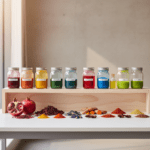
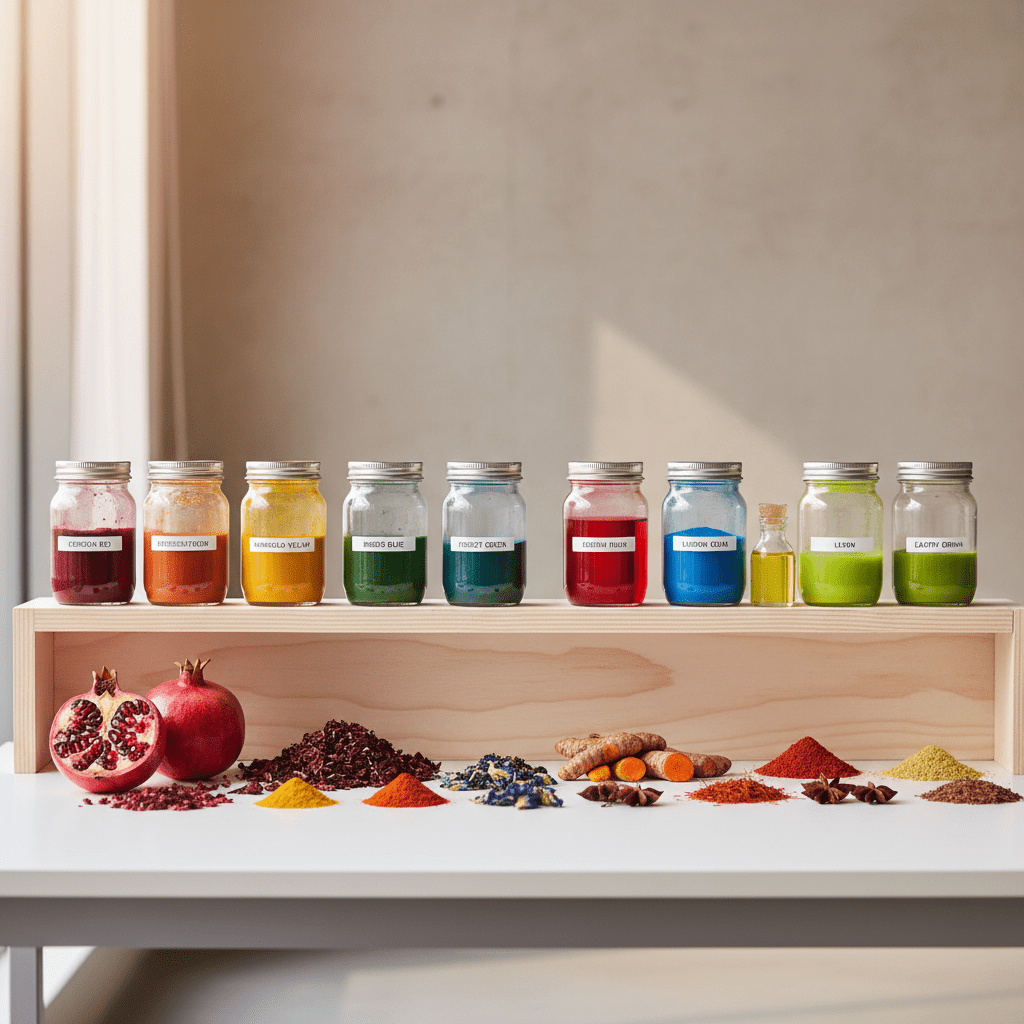
- Color and taste adjustments: Natural colorants such as beet, annatto, turmeric or chlorophyll can deliver different hues and occasionally influence flavor or opacity. Smucker has precedent (e.g., Uncrustables’ 2017 HFCS change) for executing large-scale ingredient swaps, but minor sensory shifts are possible.
- Price and cost impacts: Natural colorants and new supplier contracts can increase ingredient costs; whether that translates to higher retail prices will vary by product and timing.
- Label clarity: Because the company says most products are already dye-free, look for clear labeling during the transition. Transparent ingredient lists and updated packaging are the best immediate proof.
Conclusion
J.M. Smucker’s pledge to eliminate synthetic FD&C colors from its consumer foods by the end of 2027, with a focused school-food deadline of the 2026-2027 school year, responds to regulatory pressure and growing consumer demand. For health-conscious parents, the most useful actions are simple: check ingredient lists for named FD&C dyes, watch for “no artificial colors” declarations, and expect phased rollouts that may temporarily affect appearance, taste, or price. The company’s prior reformulation experience and the wider industry momentum make meaningful change likely, but product-by-product verification remains essential to restore confidence.