I know you're under pressure right now — long lines at the register, customers demanding explanations, and inventory reports piling up. This brief gives the facts, timeline, supply risks and immediate steps about the PepsiCo Frito-Lay plant shutdown California so you can act fast.
What happened and the timeline
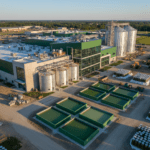
PepsiCo announced closure-related moves starting in mid‑2025 and, per a WARN filing, the Rancho Cucamonga Frito‑Lay facility is scheduled to cease operations on June 6, 2026. Manufacturing at the site ended in 2025; distribution and warehousing remained active until the planned June 6, 2026 shutdown. Public statements and filings show some inconsistencies on headcount: early reports cited about 480 workers at the 55‑year‑old facility, while the WARN notice lists 248 layoffs tied to the June 6 closure. PepsiCo says it will support impacted employees with pay and benefits and intends to shift distribution and warehousing work to a new local distribution center (no name provided).
Importantly for retail operations: the company did not publish a SKU‑level list, precise closure timing for specific lines, or a firm reopening timetable. No safety incident, regulatory enforcement, labor dispute or product recall was reported in connection with this shutdown.
Why PepsiCo is making this move
PepsiCo frames the change as a business response to softer consumer demand and broader market shifts rather than a safety or regulatory action. Across reporting periods the North American foods unit has shown small volume and revenue declines — earlier reporting noted a 1% drop and most recent fiscal 2025 figures show a 2% decline in both volume and organic revenue — prompting SKU rationalization, price changes, and consolidation across the manufacturing and distribution network. This closure follows other Frito‑Lay/PepsiCo site reductions over the last year and aligns with an industry trend of plant consolidations by multiple food makers.
The takeaway: treat this as a demand‑driven, network‑consolidation decision until PepsiCo or regulators state otherwise.
Immediate supply risks and what to do first
Given the limited official SKU detail, assume localized shortages of high‑volume snack lines are the highest near‑term risk, especially for Fritos, Doritos, SunChips and Funyuns. Act now to reduce downtime at shelf and customer complaints.
- Contact your PepsiCo account rep and primary distributors immediately for shipment alerts, backorder lists and any site‑specific diversion plans. Ask for SKU‑level ETAs and distributor routing changes.
- Audit current snack inventory today: prioritize top‑selling SKUs (by velocity) from Fritos, Doritos, SunChips and Funyuns and tag items likely to stock out within one to two weeks.
- Place contingency orders with alternate suppliers and private‑label producers for key salty‑snack formats (corn chips, tortilla chips, flavored chips, multigrain chips) to bridge gaps.
- Prepare a concise customer message and substitution options at register and online: explain availability, offer recommended substitutes, and train staff to handle refund/exchange requests calmly.
- Document every out‑of‑stock and customer complaint (dates, SKUs, quantities) to support emergency reorder discussions and any compensation talks with distributors or PepsiCo reps.
Use these steps as a checklist you can execute in hours, not days.
| Issue | Expected near‑term effect | Retail action (within 24-72 hours) |
|---|---|---|
| No SKU list from PepsiCo | Uncertainty which specific product lines will be impacted | Request SKU backorder reports from distributor; prioritize fastest‑moving SKUs |
| Distribution shift to unnamed local DC | Possible routing delays or temporary fulfillment gaps | Confirm routing changes with carriers and update delivery windows for customers |
| WARN notice and layoffs | Local labor and community disruption; possible longer‑term capacity changes | Track supply continuity and plan longer‑term sourcing if shortages persist |
Which SKUs, distributors and lanes to monitor
PepsiCo did not publish a product list tied to Rancho Cucamonga. Based on the brands manufactured and noted in reporting, prioritize monitoring for these categories and distributors that usually handle PepsiCo snacks:
- Tortilla and corn chips: Fritos, Doritos.
- Multigrain and flavored chips: SunChips, other regional offerings.
- Specialty savory snacks: Funyuns and similar niche SKUs.
Follow distributor alerts closely for diverted shipments and backorders. Because PepsiCo stated warehouse/distribution, fleet and transportation teams will continue operating at the site earlier in the process, some deliveries may still be routed from Rancho Cucamonga while the company shifts operations to another DC — expect transitional routing notices and variable fill rates. Log every missed delivery and customer complaint for escalation.
Short‑term substitutions and alternate sourcing
To limit lost sales and customer frustration, prepare a substitution plan you can implement immediately:
- Stock similar formats from other national brands and private labels (corn chips, tortilla chips, multigrain chips, cheese‑flavored chips).
- Increase SKUs from non‑PepsiCo suppliers that meet similar margins and shelf life.
- Use multi‑pack or variety‑pack options to replace single high‑demand SKUs if the exact SKU is unavailable.
Also consider temporarily adjusting shelf facings to promote available alternatives and deploy price signage to make substitutions clearer to customers.
Local economic impact and workforce notes
The closure has a local economic effect: the facility is long‑established (about 55 years) and saw reported employee counts between roughly 480 (earlier reporting) and 248 layoffs listed in the WARN filing. PepsiCo has said it will offer pay and benefits to impacted workers and move distribution duties to a local DC. Expect community impacts while warehouse and transportation shifts settle. If your store is a major local employer, be ready for increased customer concerns and questions; have a short, factual statement on hand explaining that the move appears business‑driven and that PepsiCo announced transitional support for workers.
Conclusion
Key points to act on now: treat the Rancho Cucamonga shutdown as a business‑driven consolidation (no safety or recall reported), note the June 6, 2026 WARN shutdown date and that manufacturing ended in 2025, and assume localized shortages for major snack brands (Fritos, Doritos, SunChips, Funyuns). Contact PepsiCo reps and your distributors immediately, prioritize high‑velocity SKUs in your inventory audit, place contingency orders with alternate suppliers, and document out‑of‑stocks and customer complaints for escalation. Monitoring official updates, distributor alerts and any regulatory filings remains critical; these steps will reduce shelf downtime and keep customers informed while the supply network adjusts.