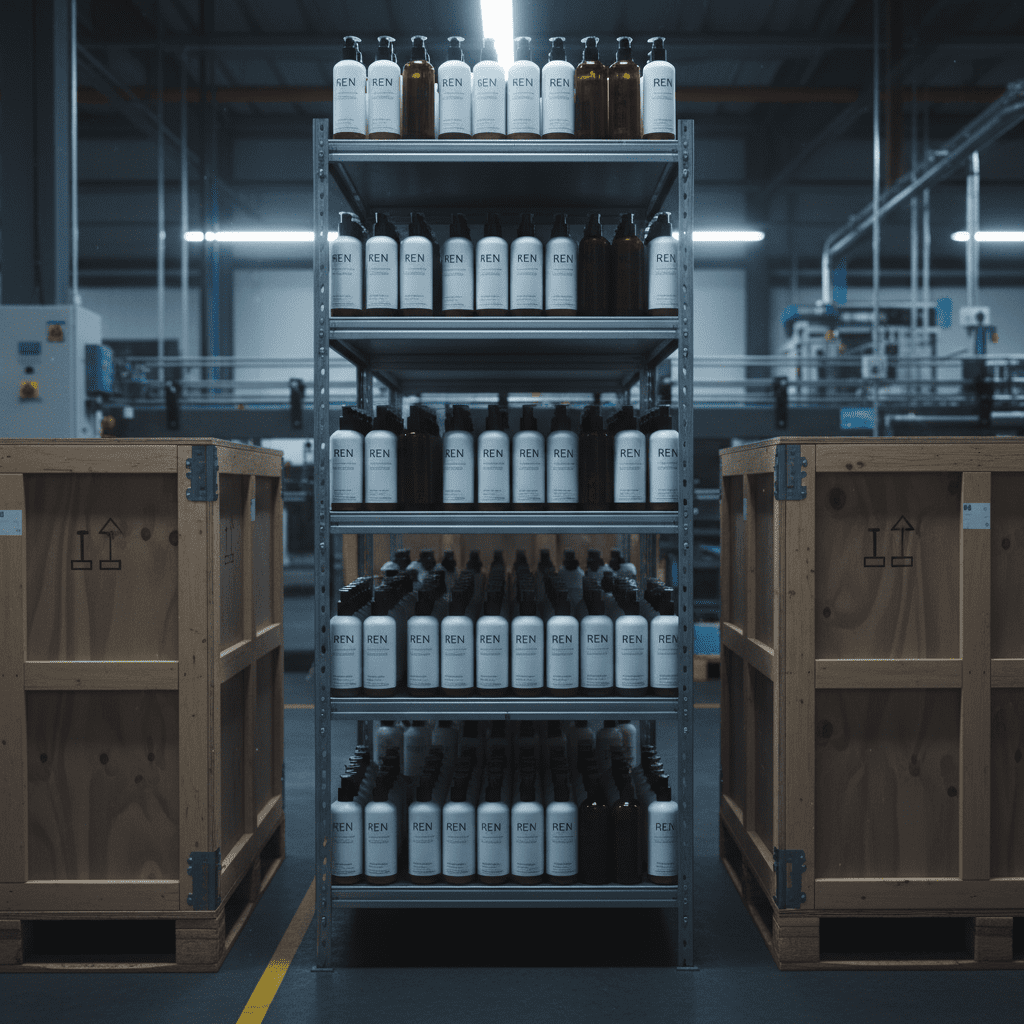
REN Clean Skincare shutdown Q3 2025 Unilever: I know this feels unsettling if you rely on REN products daily—below is a clear, prioritized briefing of Unilever’s official announcement, what it means for your purchases and subscriptions, and practical next steps to protect your routine.
Official announcement and timeline
Unilever announced in early May 2025 that it will “begin formal steps to close the Ren business” with the brand expected to exit the market by the end of the third quarter of 2025. The company framed the move as part of a strategic reshaping of its prestige portfolio; Unilever said, “A combination of internal factors, compounded by market challenges in recent years has left the brand unable to sustain success in the long term.” Press coverage appeared in the first week of May 2025 (various reports dated between May 2 and May 7).
This is a formal wind-down process, not an immediate shutdown. That said, Unilever has not published a fixed final closure date, and the public statement does not list which SKUs will be discontinued or give customer-facing details such as returns, refunds or subscription handling.
Why this happened — company and investor perspectives
Unilever’s explanation centers on internal challenges and a tougher market for prestige “clean” skincare. Key background points:
- REN was founded in 2000, joined Unilever’s prestige portfolio in 2015, and built recognition for ranges like Evercalm and Ready Steady Glow. The brand achieved a full sustainable packaging shift by late 2021.
- Unilever has signaled a strategic focus on a smaller group of very large “power brands.” REN’s estimated revenue levels have been reported below major-brand thresholds; some coverage cites REN generating under €50 million annually.
- Independent investor commentary (including market analysts and bankers) noted that potential buyers often avoid brands that are small-scale and unprofitable. One investor cited in coverage (Joel Palix) said carve-outs with revenues below roughly $20 million and no profitability become hard to sell because of separation costs and weak buyer economics.
- Reported attempts to find a buyer (Unilever’s strategic review and prior reports of sale talks) did not produce a deal.
Taken together: lost differentiation as “clean” formulations became baseline, leadership and strategic shifts inside Unilever Prestige, small scale and unclear buyer economics all contributed to the decision.
What the announcement does and does not cover (critical gaps)
Unilever’s statement provides the why and a broad timeline but leaves several urgent customer questions unanswered:
- No official SKU or product discontinuation list.
- No explicit guidance on refunds, returns, or how Unilever/REN will handle existing subscriptions.
- No formal instructions for customers who bought recently or hold gift cards/store credit.
Because those gaps directly affect routine-dependent customers, treat current communications as the first step and expect follow-up notices from Unilever, REN customer service, and major retailers.
Immediate actions to protect your routine and purchases
If you use REN regularly or have active subscriptions, prioritize these steps now to reduce disruption and preserve value:
- Check recent orders and receipts: confirm return windows and payment method protections (credit card disputes, platform guarantees).
- Pause or cancel subscriptions where possible: don’t assume automatic handling; act in your subscription dashboard and document the change.
- Keep photographic proof of recent purchases and packaging codes (batch/lot numbers); these will help if retailers or Unilever offer refunds or exchanges.
- Consider securing core, hard-to-replace SKUs if you use them daily—buy from authorized retailers to avoid counterfeit/compromised stock.
How retailers and supply are likely to react
Expect a phased retail impact rather than instant disappearance:
- Some stores and online sellers will begin delisting ahead of Q3 end; others may run clearance promotions as inventory is reduced.
- Rapid stockouts are likely for best-selling items; less popular SKUs may remain longer but could also be deprioritized.
- Verify seller authenticity: prefer established department stores, well-known e-commerce platforms, or official REN/Unilever retailer lists. Avoid unfamiliar third-party resellers charging inflated prices for “last bottles.”
Practical benefit: acting early gives you a better chance to secure authentic products and to use return/refund protections while inventories remain widely available.
Subscriptions, returns and refund expectations
Because Unilever did not publish customer-level procedures, you should assume responsibility for immediate account management:
- Pause or cancel subscriptions yourself in the brand or retailer portal; document confirmation emails/screenshots.
- Contact the retailer where you purchased (not only REN/Unilever) if you’re within a retailer return window—many stores will honor standard return policies even if the brand is exiting.
- If a subscription was prepaid for future deliveries, ask the retailer or subscription platform for a pro rata refund if shipments cannot be fulfilled; keep records of all communications.
These actions reduce the risk of unused stock or lost money while official policies are clarified.
Alternatives and how to transition your routine
If a core REN SKU becomes unavailable, transition strategically rather than replacing everything at once. Match by ingredient and formulation goals (e.g., anti-redness, gentle AHA, hydration).
- For calming/anti-redness (Evercalm equivalents): look for products containing oat extract, bisabolol, centella asiatica or ceramides from reputable brands known for sensitivity-friendly lines.
- For daily chemical exfoliation (Ready Steady Glow AHA): seek tonics with similar AHA concentrations (glycolic or lactic acid) and comparable pH; start slowly to avoid irritation.
- For serums and moisturizers: match primary actives (vitamin C, niacinamide, hyaluronic acid) and texture (gel vs cream) to maintain routine performance.
When trying substitutes, introduce one product at a time and patch-test. This minimizes disruption and helps you identify the best long-term replacements without compromising skin tolerance.
What to expect next and how to stay informed
Unilever’s initial notice is the start of a formal process. Expect additional communications from:
- Unilever corporate or REN customer service with sale/closure details.
- Major retailers outlining delisting, returns and any special handling for subscriptions.
- Industry press and financial commentators clarifying investor context and final dates.
Document all purchases and communications now so you are prepared to claim refunds or replacements if retailers or Unilever issue customer remedies.
Conclusion
Unilever has confirmed it will begin formal steps to close REN, targeting an exit by the end of Q3 2025. The announcement explains the strategic rationale but leaves critical customer-level questions unanswered: no official SKU list, no published refund/subscription procedures and no fixed closure date. As a loyal REN customer, your best immediate moves are to secure records of recent purchases, pause or cancel subscriptions yourself, and consider buying limited core stock from authorized sellers while inventories remain broad. Begin planning ingredient-matched alternatives to keep your routine stable, and watch for follow-up notices from Unilever and your retailers for definitive refund or exchange instructions.
Frequently Asked Questions
When will REN be discontinued and is this an immediate shutdown?
What should I do now about subscriptions, recent purchases, and returns?
My favorite REN product might disappear — how do I replace it without disrupting my routine?
– For calming/anti-redness (Evercalm equivalents): look for oat extract, bisabolol, centella asiatica or ceramides from reputable sensitivity-friendly lines.
– For daily chemical exfoliation (Ready Steady Glow AHA): choose tonics with comparable AHA type/concentration (glycolic or lactic) and similar pH, and introduce slowly.
– For serums/moisturizers: match primary actives (vitamin C, niacinamide, hyaluronic acid) and texture (gel vs cream).
Introduce one replacement at a time, patch-test, and prefer authorized retailers or well-known brands. If a SKU is truly hard to replace, consider buying limited authenticated stock now while inventories are still widely available.