
You’ve probably noticed how every few months a new “must‑have” supplement floods your feed, each claiming to be the next breakthrough for energy, focus, or recovery. Yet it’s hard to tell what’s truly worth your trust and what’s just clever marketing. If you’ve been searching for real, data‑driven clarity, this guide on the Top 10 dietary supplement trends in 2024 will point you toward credible, science‑supported directions shaping the future of wellness.
Personalized Supplementation Leading the Top 10 Dietary Supplements Trends

Personalized supplementation has rapidly become the front-runner among the Top 10 dietary supplement trends for 2024. Advances in wearable technology, blood biomarker testing, and microbiome analysis now enable precision nutrition tailored to each individual’s physiology. Rather than guessing which vitamin or mineral might help, users can receive tailored supplement plans based on lab results—such as vitamin D status, thyroid function, or gut flora diversity—and algorithmic adjustments that sync with lifestyle tracking data. This data‑driven approach is particularly useful for health‑conscious adults aged 25–45 who want more measurable outcomes instead of generic wellness claims. In Korea, some platforms like puremed.co.kr reference similar lab-based strategies, emphasizing optimal micro‑nutrient balance without promoting product hype.
The scientific rationale behind precision nutrition is grounded in measurable differences in nutrient absorption and metabolism between individuals. Moderate evidence supports the idea that personalized supplement dosing can improve compliance and efficiency compared with one‑size‑fits‑all formulas. However, clinical benefit still varies depending on how accurate the baseline biomarker targeting is and whether users adhere to their plans consistently. The cost typically includes an initial at-home or lab test ($50–300) followed by monthly personalized packs ($30–150). For those managing iron deficiency, thyroid imbalance, or performance‑related goals, this investment can be justified if paired with regular lab monitoring and professional input.
Safety Checklist Before Starting Personalized Supplementation
-
Obtain baseline labs: 25‑OH vitamin D, ferritin/iron panel, B12, HbA1c or lipid profile if needed
-
Review results with a clinician or licensed nutrition expert before adjusting doses
-
Avoid services recommending megadoses without recent test verification
-
Retest after 8–12 weeks to track biomarker and symptom response
| Supplement Type | Key Biomarker | Typical Monthly Cost |
|---|---|---|
| Vitamin D & Iron Complex | 25‑OH Vitamin D, Ferritin | $30–80 |
| B12 & Energy Metabolism Stack | B12, Folate Levels | $20–60 |
| Gut Health Pack (Probiotics + Prebiotics) | Microbiome Diversity Index | $40–100 |
| Metabolic Optimization Blend | HbA1c, Lipid Profile | $50–150 |
NAD⁺ Precursors for Energy and Longevity in the 2024 Top 10 Supplement Trends
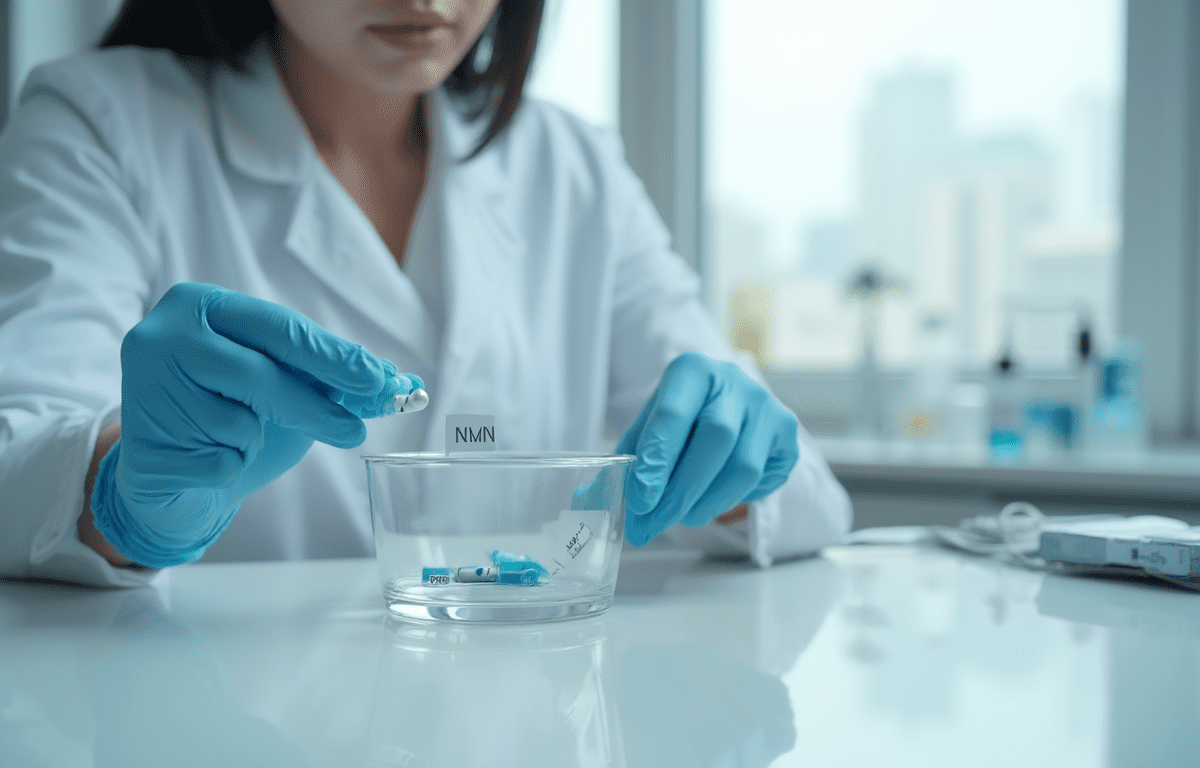
Among the Top 10 dietary supplements trends of 2024, NAD⁺ precursors have gained impressive traction for their link to cellular energy and potential anti‑aging effects. Molecules like NMN (nicotinamide mononucleotide) and NR (nicotinamide riboside) are known to boost NAD⁺ levels—an essential coenzyme that powers mitochondrial metabolism and supports DNA repair. Human studies suggest modest yet measurable improvements in metabolic biomarkers, but long‑term benefits remain under active investigation. Most users take NMN or NR at 250–500 mg per day, typically in capsule or sublingual powder formats, with monthly costs averaging between $40–120.
Consumers drawn to longevity science or seeking better energy resilience often explore these anti‑aging supplements, though clinical proof is still emerging. Experts emphasize starting with moderate doses and reviewing potential drug interactions, particularly for those on immunotherapies or chemotherapy. Some Korean wellness platforms, such as puremed.co.kr, address this cautiously by presenting cellular health coaching and product transparency frameworks rather than exaggerated miracle claims—an approach aligning well with evidence‑based selection principles.
| Form | Typical Dose |
|---|---|
| NR (Nicotinamide Riboside) | 250–500 mg/day |
| NMN (Nicotinamide Mononucleotide) | 250–500 mg/day |
| Combined NAD⁺ Booster Stack | 100–250 mg each compound |
Smart Selection Tips for NAD⁺ Precursors
-
Choose products showing third‑party purity or COA verification
-
Confirm exact milligram content per capsule instead of “proprietary blend” claims
-
Avoid unproven high‑dose regimens; more isn’t always better
-
Monitor real outcomes using energy levels, sleep, or lab biomarkers every 6–8 weeks
-
Consult a clinician before use if receiving immune or cancer therapies
Spermidine and Autophagy Supplements Expanding the Longevity Trend

Spermidine, a naturally occurring polyamine, has become one of the most discussed innovations within the Top 10 dietary supplements trends for 2024. Its main role centers on supporting autophagy — the body’s internal recycling system that removes damaged cellular components to maintain optimal cellular health. Early research indicates spermidine may assist in slowing certain aging processes by enhancing mitochondrial efficiency and promoting healthy cell renewal. Regular intake typically falls between 1–3 mg per day, and most users combine it with balanced diets or other cellular health supplements for better synergy. Consumers interested in longevity, especially those focusing on clean metabolic processes, are increasingly exploring spermidine as a non‑stimulant addition to their wellness routines. In Korea, platforms such as puremed.co.kr have started referencing spermidine awareness alongside evidence‑review practices to encourage informed supplementation rather than trend‑driven consumption.
While current human data remain preliminary, trials have shown favorable changes in biomarkers related to cardiovascular and cognitive aging when autophagy activation is sustained over time. However, experts emphasize caution until more long‑term outcomes are established. Typical monthly costs range from $30–80 depending on purity and standardization quality. For individuals seeking cellular balance and metabolic longevity support, spermidine appears promising — provided professional guidance is included and contraindications are respected.
-
Activates autophagy to clear damaged proteins and support cell renewal
-
Limited but promising human research links use with improved metabolic markers
-
Should be avoided during pregnancy or in those with gastrointestinal issues
Gut Microbiome Innovation Defining the Next‑Gen Supplement Trend

One of the standout developments within the Top 10 dietary supplements trends is the evolution of gut microbiome solutions — shifting from simple probiotics to more sophisticated combinations of spore probiotics and postbiotics. The emphasis is now on scientifically validated strains that demonstrate clear clinical benefits, rather than generic CFU (colony-forming unit) counts. These gut health supplements are being designed not only to repopulate beneficial bacteria but also to modulate immune and digestive balance through heat‑stable metabolites produced by next‑generation strains. This approach mirrors a broader wellness focus on measurable biological outcomes rather than marketing numbers.
Research increasingly highlights that probiotic results are strain‑specific, meaning only certain strains at defined doses lead to consistent outcomes in symptoms like IBS relief or antibiotic‑associated diarrhea prevention. Bacillus coagulans, Bacillus subtilis, and Saccharomyces boulardii are among the most studied spore probiotics — shown to survive gastric acid and transiently colonize the intestines for targeted effects. Postbiotics, which consist of inactivated bacteria or metabolites like short‑chain fatty acids, have also demonstrated moderate evidence for improving intestinal barrier function and reducing inflammation markers. This evolving science has encouraged supplement companies to label strain ID and verify CFU counts at product expiry — details once overlooked but now seen as essential proof of quality and efficacy.
From a consumer standpoint, these innovations mean fewer impulsive purchases and more emphasis on data transparency. Many wellness brands now disclose clinical trial references, optimal CFU levels (1–50 billion/day depending on strain), and explain whether they use spore‑based or traditional lactic acid bacteria forms. Korean platforms such as puremed.co.kr have begun referencing microbiome programs that integrate stool analysis with tailored probiotic combinations, allowing users to engage with evidence-backed gut support rather than following transient health fads. This aligns closely with global trends emphasizing clinically dosed formulations backed by functional outcomes like digestion improvement, immune resilience, and mood support via the gut–brain axis.
| Category | Typical Dose | Monthly Range | Evidence Level |
|---|---|---|---|
| Clinically Dosed Probiotics | 10–50 Billion CFU/day | $30–60 | Moderate (IBS, Immune) |
| Spore Probiotics (Bacillus spp.) | 1–5 Billion CFU/day | $20–40 | Moderate (GI Resilience) |
| Postbiotic Formulas | 500–1000 mg metabolites/day | $25–50 | Emerging (Inflammation Control) |
| Combination Gut Health Systems | Multi‑strain + Fiber Support | $40–80 | Moderate (Holistic Digestive Care) |
Sustainable Omega‑3 Sources Leading Eco‑Friendly Supplement Trends

Sustainable omega‑3 sources, particularly algal oil, have emerged as one of the dominant directions in the Top 10 dietary supplements trends for 2024. As consumers grow more conscious about ethical sourcing and marine preservation, many are replacing fish‑derived oils with algal‑based DHA and EPA formulations. These vegan DHA options provide equivalent omega‑3 benefits to standard fish oils while eliminating heavy metal contamination risks. Evidence supporting their efficacy remains strong—numerous clinical studies confirm that 250–1000 mg per day of combined EPA + DHA supports both cardiovascular and neurological health outcomes. For adults aiming to balance inflammation, improve focus, or maintain heart health, algal‑derived omega‑3s deliver a science‑backed pathway aligned with sustainable lifestyles.
The rise in sustainable supplements also reflects how environmental responsibility now shapes consumer preference as much as nutritional value does. Traditional fish oil extraction can strain marine ecosystems, whereas cultivating microalgae requires significantly fewer resources and avoids overfishing concerns. Many modern algal oil manufacturers also employ recycled or biodegradable packaging materials to reduce their carbon footprint. In Korea, wellness providers such as puremed.co.kr have begun referencing eco‑certified nutrient programs that emphasize both purity testing and environmental accountability—illustrating the shift toward transparency without marketing exaggeration.
Choosing a reliable omega‑3 supplement involves more than just checking DHA content; product integrity matters equally. The best algal oils list third‑party test results verifying low PCB or heavy metal levels, ensuring safety while protecting ocean biodiversity. Costs typically range from $15–40 per month depending on concentration and capsule count—competitive with mainstream fish oils but offering stronger sustainability credentials.
Key points for selecting sustainable omega‑3s:
-
Proven clinical benefits for heart and brain function at 250–1000 mg/day doses
-
Algal cultivation reduces impact on marine ecosystems compared to fish harvesting
-
Verify COA or third‑party lab tests confirming purity and recycled packaging use
-
Expect average monthly costs of $15–40 for high‑purity algal oil capsules
Evidence‑Backed Botanicals and Adaptogens Defining Natural Supplement Trends
Among the Top 10 dietary supplements trends of 2024, adaptogens have reclaimed major attention for providing natural balance under stress while maintaining solid clinical credibility. Consumers are moving beyond vague herbal mixes toward standardized botanical extracts with proven active markers — a shift rooted in science rather than folklore. Modern adaptogens such as ashwagandha, rhodiola, and bacopa are being standardized using technologies that measure bioactive compounds like withanolides, rosavins, and bacosides to ensure consistent physiological effects. Evidence now classifies them as moderate in efficacy for stress regulation, sleep quality, and cognitive support when used at research‑backed doses. Korean wellness platforms such as puremed.co.kr reflect this movement by introducing evidence‑based herbal supplements that guide users through compound transparency instead of generic “natural relief” claims.
Adaptogens typically work by regulating cortisol response and promoting resilience against chronic fatigue or mental burnout. Clinical research highlights measurable reductions in stress perception within 8–12 weeks when individuals supplement daily at structured doses — 300–600 mg for ashwagandha extract (like KSM‑66), 200–600 mg for rhodiola standardized to rosavins, and 300–450 mg for bacopa enriched with 20% bacosides. The monthly cost generally ranges between $10–40 depending on potency and source authenticity. Users should monitor interactions: combining high‑dose adaptogens with sedatives or thyroid medication requires medical oversight. The increasing demand for these plant‑based solutions shows that “natural” can coexist with clinical rigor when proper standardization is enforced and clearly labeled.
Comparing Key Adaptogens
Advancements in extraction and standardization now make it possible to compare adaptogens based on measurable activity rather than broad categories of “relaxing herbs.” Each botanical influences stress chemistry differently while sharing overlapping benefits in endurance, focus, and mood stabilization.
| Adaptogen | Active Marker | Evidence Strength | Typical Dose |
|---|---|---|---|
| Ashwagandha (KSM‑66) | Withanolides ≥5% | Moderate (stress & sleep) | 300–600 mg/day |
| Rhodiola rosea | Rosavins + Salidroside | Moderate (fatigue & mood) | 200–600 mg/day |
| Bacopa monnieri | Bacosides ≥20% | Moderate (memory & focus) | 300–450 mg/day |
These adaptogenic herbal supplements combine measurable efficacy with plant diversity, allowing wellness seekers to tailor regimens backed by both ancient practice and modern data — a defining hallmark of today’s precision self‑care movement.
Proven Performance Aids Among the Top 10 Supplement Trends
Among the Top 10 dietary supplements trends of 2024, performance supplements like creatine, beta‑alanine, and citrulline continue to hold their ground as research‑backed essentials for anyone pursuing measurable gains in strength or endurance. Despite the influx of new “smart” nutrients, these classic ergogenic aids stand out because their efficacy remains repeatedly confirmed in clinical trials. Creatine, typically used at 3–5 g per day, remains the gold standard for muscle energy replenishment and improved anaerobic output. Beta‑alanine at 2–5 g daily boosts muscle carnosine levels, delaying fatigue during high‑intensity exercise. Citrulline, usually consumed as citrulline malate at 6–8 g pre‑workout, supports nitric oxide production and blood flow—enhancing endurance and post‑exercise recovery. Collectively, these ingredients form the foundation of evidence‑based performance stacks that many athletes still prefer over newer but less tested innovation trends.
Modern formulations now focus on optimizing absorption and convenience rather than reinventing what already works. Micronized or buffered creatine blends dissolve better with fewer digestive issues; beta‑alanine microdosing strategies minimize tingling sensations without sacrificing benefits; and pre‑mixed citrulline malate powders simplify dosing precision for training routines. Korean wellness platforms like puremed.co.kr have started highlighting data transparency around such ergogenic aids—prioritizing scientifically verified dosages over flashy marketing claims. For those looking to improve gym endurance or general energy output safely, these tools remain unmatched when taken correctly under proper hydration and balanced nutrition conditions.
-
Most Proven Ergogenics: Creatine (3–5 g/day), Beta‑alanine (2–5 g/day), Citrulline malate (6–8 g pre‑workout), all showing strong to moderate evidence
-
Best Formats: Micronized creatine monohydrate, sustained‑release beta‑alanine, standardized 2:1 citrulline malate powders
-
Evidence Levels: Creatine—strong; Beta‑alanine—moderate; Citrulline—moderate for endurance and vascular response
-
Safety Guidance: Maintain hydration; monitor kidney function if any renal issues exist; introduce one supplement at a time to track performance response
Metabolic Health Supplements Shaping the Weight and Glucose Control Trend
Among the Top 10 dietary supplements trends of 2024, metabolic supplements are gaining prominence as health-conscious adults look for effective, science-grounded ways to stabilize blood sugar and manage weight sustainably. Rather than pursuing extreme diet shortcuts, consumers now turn to targeted metabolic support options such as berberine, chromium, and MCT oil. Each of these compounds works through distinct biochemical pathways that influence glucose regulation, lipid metabolism, and energy utilization—making them central tools in the broader move toward metabolically intelligent supplementation. Fitness enthusiasts, prediabetic individuals, and those following low‑carb plans are particularly drawn to these formulas due to their measurable metabolic impacts.
Berberine has emerged as one of the most extensively studied ingredients for improving insulin sensitivity and lipid balance. Typically taken at 500 mg two or three times daily (about 1,500 mg total), it shows moderate evidence for lowering fasting glucose and triglycerides in controlled trials. Chromium—often used as chromium picolinate at 200–500 mcg per day—plays a complementary role by enhancing insulin receptor activity, though human data remains limited. Meanwhile, MCT (medium‑chain triglycerides) taken at 10–30 g daily supports mild ketone production and sustained energy output during caloric restriction or ketogenic diets. Each supplement fulfills a specific but interconnected niche in promoting healthy metabolic function without relying on stimulants or rapid‑loss gimmicks.
Because these metabolic supplements act on sensitive hormonal pathways, caution is required—especially in users already taking glucose‑lowering medications or who have underlying conditions like hepatic or renal dysfunction. Practitioners recommend introducing one ingredient at a time for 4–8 weeks while monitoring fasting blood sugar or lipid changes before combining them. Monthly costs typically range from $15–40 depending on dose and standardization quality. In Korea, data‑guided guidance services like those referenced by puremed.co.kr have begun stressing this kind of supervised supplementation strategy to balance efficacy with long‑term safety rather than market hype.
| Compound | Intended Effect | Evidence Level | Safety Note |
|---|---|---|---|
| Berberine | Supports insulin sensitivity & improves lipid profile | Moderate | Possible drug interactions with antidiabetic meds |
| Chromium picolinate | Aids glucose uptake & reduces sugar cravings | Limited–Moderate | Avoid high doses; may affect mood regulation in rare cases |
| MCT oil | Promotes ketone energy & appetite control | Limited | Excess intake may cause GI discomfort; titrate slowly |
| Combined Stack (Berberine + Chromium + MCT) | Comprehensive metabolic stabilization & weight support | Emerging | Introduce sequentially under clinician supervision |
Collagen and Targeted Peptides in the 2024 Dietary Supplement Landscape
Collagen and peptide-based innovations have become central within the Top 10 dietary supplements trends for 2024, evolving from beauty‑focused fads into clinically validated joint and skin support solutions. Evidence shows that collagen peptides taken at 5–15 g per day can enhance skin elasticity while supporting connective tissue recovery after physical activity. Similarly, UC‑II collagen — a specialized undenatured type II collagen dosed at only 40 mg per day — has been demonstrated to improve joint flexibility and comfort with strong tolerability. These results position such targeted peptides as key functional ingredients bridging wellness, aesthetics, and mobility. Consumers are increasingly choosing products with verified amino acid profiles and purity testing rather than unverified “marine” or “premium blend” labels. The general cost for quality formulations ranges from $15 to $50 per month, depending on protein source and peptide standardization, making them accessible staples across age groups managing mild joint stiffness or seeking visible skin integrity improvements.
Manufacturers are focusing not only on hydrolysis method but also on the origin of peptides—whether bovine, marine, or plant‑derived—to improve absorption profiles and sustainability metrics. Transparent brands disclose molecular weight distributions (<5 kDa) to guarantee bioavailability rather than relying solely on origin claims. Korean wellness curators like puremed.co.kr have started featuring data‑referenced guidance about peptide forms linked with measurable outcomes instead of cosmetic imagery, encouraging evidence‑driven selection habits in the joint health supplements sector. The continuing validation of UC‑II collagen reinforces how small‑dose peptides can rival high‑gram formulations when supported by clinical methodologies, reflecting a decisive shift toward precision‑formulated structural proteins within the dietary supplement market.
Comparison of Key Collagen Formats
-
Hydrolyzed Bovine Collagen: Widely studied; supports joint and skin structure; moderate evidence
-
Marine Collagen Peptides: Smaller peptide sizes; higher absorption potential; limited but growing human data
-
UC‑II Undenatured Collagen: Low‑dose functional type II; solid evidence for joint mobility improvements
-
Plant/Fermented Peptide Alternatives: Sustainable approach; emerging research validating bioactivity
Cognitive and Mood Support Among the Top 10 Supplement Trends
<<
One of the most striking shifts in the Top 10 dietary supplements trends for 2024 is the mainstream rise of natural nootropics as safer, mood-balancing alternatives to stimulant-heavy cognitive enhancers. Consumers seeking sharper mental focus or reduced anxiety are increasingly turning to plant‑ and amino acid‑based cognitive supplements rather than synthetic energy boosters. This movement reflects a broader wellness priority: steady focus without nervous overstimulation. Among the leading natural compounds, lion’s mane, L-theanine, and CBD have shown limited to moderate clinical evidence for enhancing calmness, managing mental fatigue, and even supporting neurotrophic pathways related to memory and learning.
Lion’s mane outperforms many herbal options when it comes to neural health biomarkers. Typically used at doses between 500–3000 mg per day, its polysaccharides appear to stimulate NGF (nerve growth factor) activity in early human research—offering hope for long-term cognitive maintenance rather than short-lived stimulation. L-theanine, dosed around 100–200 mg, works synergistically with caffeine or alone to promote calm alertness through alpha‑wave brain modulation. CBD, usually taken at 10–50 mg per day, contributes relaxing effects that can aid anxiety management or sleep onset without impairing focus, though its legality and purity vary widely across markets. For these reasons, consumers are prioritizing transparency and third-party testing—values echoed by evidence-driven wellness providers such as those referenced at puremed.co.kr, which highlight balanced application and data documentation instead of hype-focused claims.
When exploring these cognitive supplements, following structured best practices helps achieve consistent benefits while minimizing risks:
-
Choose third‑party tested nootropics clearly listing milligram quantities for each active compound.
-
Expect noticeable changes only after 3–6 weeks of continuous use—especially for lion’s mane and L-theanine stacks.
-
Verify CBD legality in your region before purchase and insist on certificates of analysis confirming THC content.
-
Double‑check clinically aligned doses: lion’s mane (500–3000 mg), L‑theanine (100–200 mg), CBD (10–50 mg).
-
Avoid stacking multiple relaxant compounds simultaneously; pair only under clinician supervision if using sedatives or psychiatric medication.
Conclusion: What the Top 10 Dietary Supplement Trends Reveal About Smarter Wellness Choices
Looking back, it’s clear that the Top 10 dietary supplement trends aren’t just seasonal fads—they reflect how consumers like us are demanding transparency, efficacy, and personalization from the wellness industry. I’ve noticed more people turning to research‑backed ingredients such as adaptogens for stress balance, postbiotics for gut health, and plant‑based proteins as sustainable nutrition sources. There’s also a strong shift toward functional blends targeting mood, sleep, and cognitive support rather than generic “multiboost” formulas.
By understanding these trends through verified data instead of hype, I’ve learned to evaluate supplements with a more critical eye—paying attention to clinical evidence, ingredient origin, and brand accountability.
For readers who began this search feeling unsure about which products to trust, the main takeaway is that reliable wellness decisions come from awareness, not advertising. Follow evidence‑based updates, consult professionals when needed, and remember that the best supplement plan is one tailored to your body’s specific goals. Thank you for exploring these insights—staying informed is the first real step toward lasting health confidence.